Exploring India’s Cricket Fan Clubs: Who They Are and How They Support Their Teams
Find out how cricket fanclubs are organized. History, development, impact on cricket culture in India.
Cricket in India is a cultural phenomenon, uniting millions through shared passion. Fan clubs, from local gatherings to digital communities, are central to this, passionately supporting teams like Chennai Super Kings and Royal Challengers Bangalore.
Many fans amplify their match-day excitement by betting on their favourite teams, and no-deposit bonuses let them do so without spending upfront, adding thrill and potential rewards. If you are interested in doing the same, check out the best 100 rs signup bonus betting sites without deposit in India to enhance your cricket experience.
The Evolution of Cricket Fan Clubs in India
Cricket was introduced to India by the British in the 18th century, initially as an elite sport. The first recorded match was in 1721, played by the Kolis of Gujarat, and by 1848, the Parsi community in Mumbai formed the Oriental Cricket Club, the first Indian cricket club. Over time, cricket transcended social barriers, becoming a mass phenomenon post-independence. The 1983 World Cup victory, led by Kapil Dev, was a turning point, with television broadcasts bringing the game to millions and sparking the formation of informal fan groups.
The launch of the Indian Premier League (IPL) in 2008 revolutionized fan engagement. The franchise-based model created regional loyalties, with teams like Chennai Super Kings (CSK) and Mumbai Indians (MI) becoming cultural icons. Fan clubs formalized, organizing events, creating merchandise, and even raising funds for charity. The Women’s Premier League (WPL), launched in 2023, further expanded fan engagement, particularly among female supporters. Today, fan clubs are vibrant communities that celebrate cricket year-round, blending tradition with modern digital platforms.
Who Are the Fans?
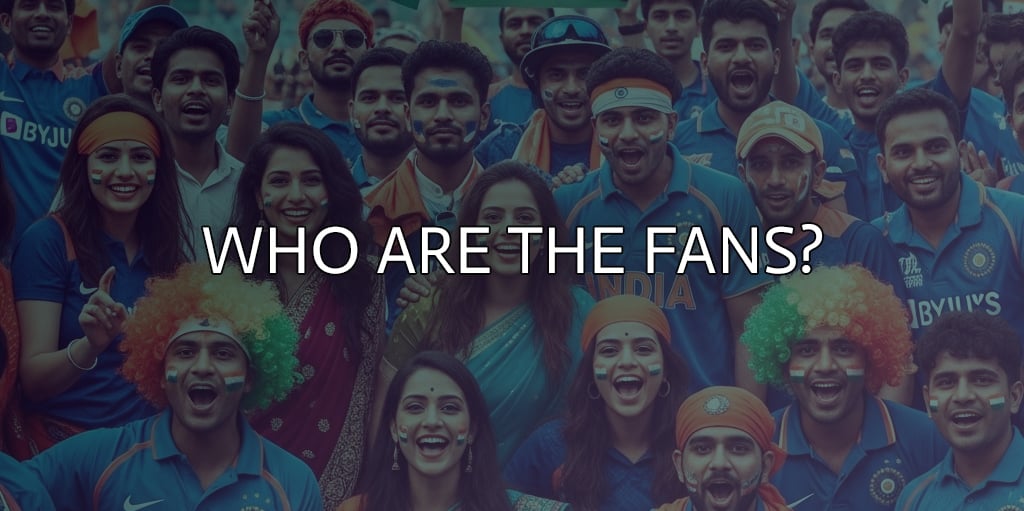
Indian cricket fans represent a diverse cross-section of society, united by their love for the game. According to a 2022 report by the Board of Control for Cricket in India (BCCI) and the International Cricket Council (ICC), approximately 60% of India’s population—over 836 million people—are cricket fans. This includes:
- Hardcore Fans (35%): These dedicated supporters follow every match, from Test series to local tournaments, and are deeply invested in their teams.
- Casual Fans (50%): They watch regularly but may not follow every game, often tuning in for high-profile matches.
- Event-Based Fans (15%): These fans focus on major tournaments like the World Cup or IPL finals, contributing to massive viewership numbers, such as the IPL’s 462 million annual viewers.
Cricket’s appeal transcends demographics. A Nielsen report notes that women constitute 43% of the cricket-viewing audience, with stars like Smriti Mandhana and Harmanpreet Kaur inspiring a growing female fan base. Fans range from children playing street cricket in alleys to elderly individuals reminiscing about legends like Sachin Tendulkar.
Among IPL teams, CSK leads with approximately 43.5 million social followers, followed by Royal Challengers Bangalore (RCB) with 35.5 million. RCB fans are known for their passionate “Ee Sala Cup Namde” chant, while CSK fans showed fierce loyalty during the team’s 2016-17 IPL suspension.
The following table, based on publicly available information, makes comparison easier:
| Team | Social Followers (millions) |
| Chennai Super Kings (CSK) | 43.5 |
| Mumbai Indians (MI) | 40.1 |
| Royal Challengers Bangalore (RCB) | 35.5 |
| Kolkata Knight Riders (KKR) | 30.7 |
| Delhi Capitals (DC) | 16.2 |
| Punjab Kings (PBKS) | 16.1 |
| Sunrisers Hyderabad (SRH) | 15.4 |
| Rajasthan Royals (RR) | 13.2 |
| Gujarat Titans (GT) | 7.1 |
| Lucknow Super Giants (LSG) | 5.5 |
Forms of Support – From Stadiums to Social Media
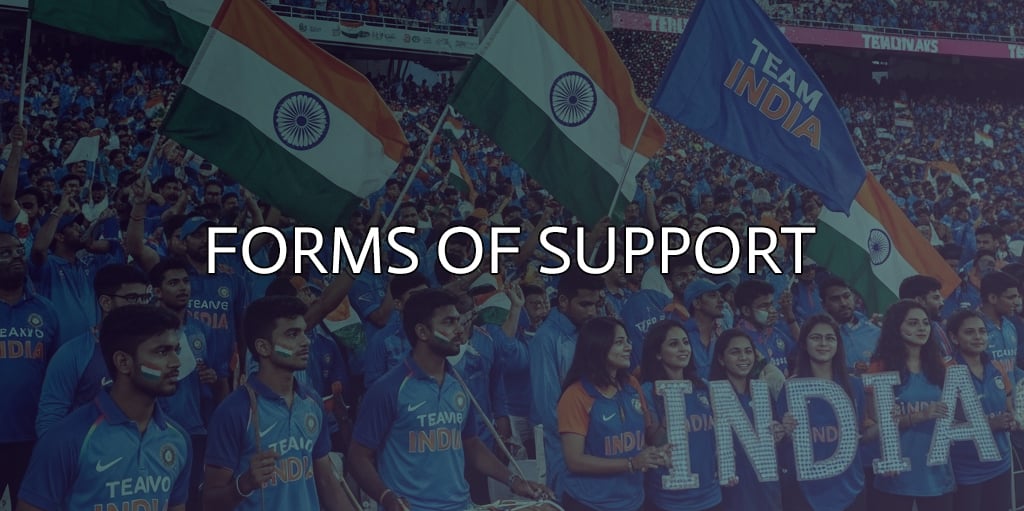
Indian cricket fans support their teams through traditional and modern methods, creating a dynamic support ecosystem.
Indian stadiums are renowned for their electric atmospheres. The IPL averaged over 26,000 people per match in 2017, with iconic venues like Chepauk and Chinnaswamy creating legendary experiences. Fans don team jerseys and wave flags while chanting “Whistle Podu” (CSK) and “Play Bold” (RCB).
Social media platforms like Twitter, Instagram, and YouTube serve as virtual stadiums. Fan clubs organize watch parties, share memes, and discuss strategies. IPL hashtags trend globally, with millions engaging in real-time match discussions according to the YouGov Indian Cricket Fandom Report 2024.
Fantasy cricket leagues on platforms like FanCode transform passive viewing into active participation, connecting fans across India and enhancing emotional investment in matches.
Fan clubs, particularly for RCB and CSK, organize meetups, charity drives, and watch parties. They create memes, reels, and chants that define team identity. Some clubs support community initiatives, including COVID-19 relief efforts.
Economic support comes through merchandise purchases and cricket tourism. Fans buy jerseys and branded items while dedicated supporters travel to matches, some joining tourism packages to follow teams nationally and internationally.
Impact on Teams and the Game
Fan clubs have a profound impact on cricket teams and the sport’s ecosystem in India.
- Boosting Player Morale: The passionate support from fans can significantly influence player performance. India’s 2011 World Cup victory on home soil was fueled by the unwavering support of millions, with stadiums filled with cheering fans. The emotional connection between players and fans, as seen with icons like MS Dhoni and Virat Kohli, drives teams to perform at their best.
- Economic Contributions: Fan clubs drive revenue through ticket sales, merchandise purchases, and engagement with sponsors. The IPL’s massive viewership—462 million annually—underscores its economic impact, with fans playing a central role. The BCCI, the world’s richest cricket board, benefits from this fan-driven economy, reinvesting in grassroots programs and academies.
- Digital Influence: Social media engagement provides teams and broadcasters with valuable data on fan preferences, enabling tailored content and strategies. This digital presence has helped elevate the IPL and WPL to global prominence, with Indian fans leading the charge.
- Cultural Significance: Cricket fan clubs promote inclusivity, with efforts to make stadiums accessible for disabled fans and growing support for women’s cricket through the WPL. However, challenges exist, such as toxic fan behavior on social media, where derogatory nicknames like “Chokli” for Virat Kohli have sparked controversy. Addressing this is crucial to maintaining cricket’s positive cultural impact.
- Unifying Force: Cricket transcends social barriers, uniting diverse communities. Victories like the 1983 and 2011 World Cups and the 2007 and 2024 T20 World Cups have fostered national pride, with fan clubs amplifying this sense of unity.
Final Thoughts
Indian cricket fan clubs are a vibrant and integral part of the country’s cricketing landscape. From their origins as informal gatherings to their current status as organized, digitally-savvy communities, these clubs reflect the passion, diversity, and unity that cricket brings to India. Whether through stadium chants, social media posts, or fantasy leagues, fans continue to find innovative ways to support their teams and contribute to the sport’s growth. Despite challenges like toxic fandom, the positive impact of fan clubs—on players, the economy, and cultural unity—ensures that cricket remains India’s heartbeat, with fan clubs driving its enduring legacy.
Staff Editor
Reviewed and curated by our editorial team
Download this App
Get the latest version of this application for your Android device.
